Leak detection and repair
At Gold Plumbing, we understand that undetected leaks can lead to significant water damage and costly repairs, which is why our leak detection and repair service is essential for maintaining the integrity of your plumbing system. Using state-of-the-art technology and expert techniques, our skilled technicians can efficiently locate and diagnose leaks in your pipes, whether they’re hidden behind walls or beneath floors. Once identified, we offer prompt and effective repair solutions to prevent further damage and restore your peace of mind. With a commitment to quality and customer satisfaction, Gold Plumbing ensures your home remains safe, efficient, and free from the stress of water leaks.
Plumbing Tools for Leak Detection
Detecting leaks in plumbing systems requires a variety of specialized tools designed to identify issues quickly and accurately. Among the most essential instruments are acoustic leak detectors, which amplify the sound of leaking water and help pinpoint the source of the leak. Infrared thermography can also be instrumental, allowing professionals to visualize temperature differences in walls and floors, thus revealing hidden leaks. Other tools like moisture meters and dye testing kits provide additional methods for confirming water damage and locating leaks in fixtures or pipes.
In addition to these high-tech gadgets, traditional tools remain vital in the leak detection process. Pipe inspection cameras have become increasingly popular, enabling plumbers to explore the insides of pipes and identify blockages or leaks without invasive measures. Pressure testing equipment assesses the integrity of plumbing systems by measuring changes in pressure, pinpointing potential weaknesses. Using a combination of these tools allows professionals to create a comprehensive picture of the plumbing system’s condition, ensuring that leaks can be addressed effectively and efficiently.
Essential Equipment Used by Professionals
Professionals in the plumbing industry rely on a variety of specialized tools to efficiently locate and diagnose leaks. One of the most essential pieces of equipment is the acoustic leak detector, which amplifies sounds made by water escaping from pipes. This device helps plumbers pinpoint the exact location of a leak with minimal disruption to the surrounding area. Thermal imaging cameras are also invaluable, as they can reveal temperature differences in building materials, indicating the presence of moisture that may not be visible to the naked eye.
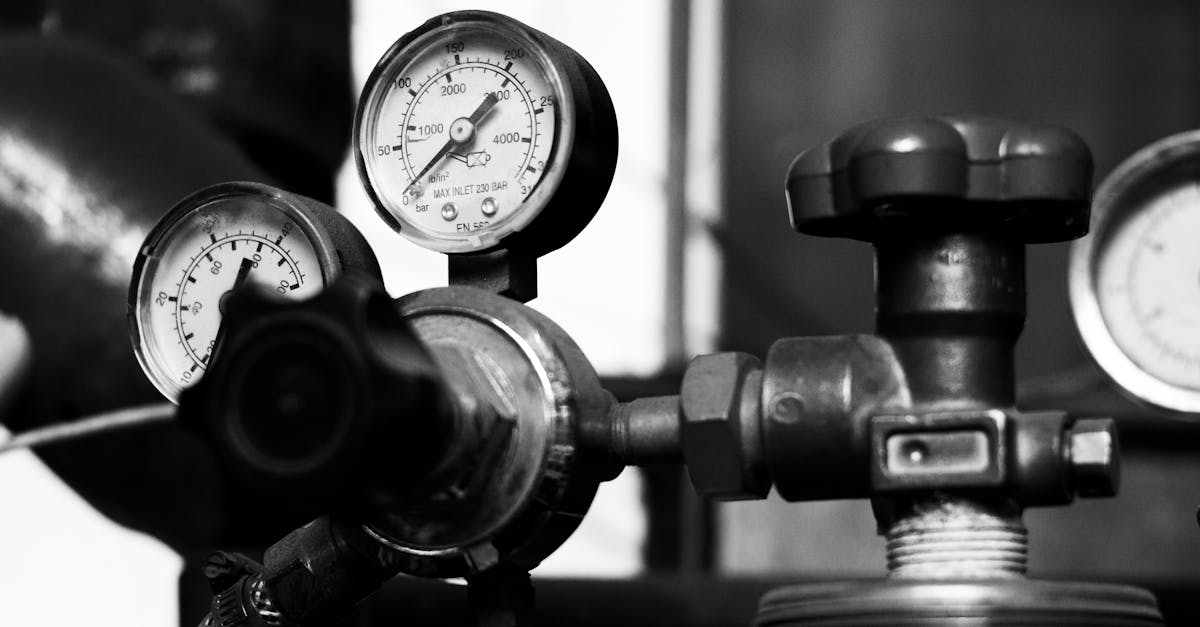
In addition to these advanced tools, traditional equipment like pressure gauges and moisture meters plays a crucial role in leak assessment. Pressure gauges help determine if there are any drops in system pressure that could signal a leak. Moisture meters provide readings that indicate dampness in walls, ceilings, or floors, allowing for a more comprehensive evaluation of potential water damage. Using this combination of technology and traditional methods, professionals can diagnose issues quickly and accurately, ensuring efficient repairs and minimizing further damage.
Repairing Common Types of Leaks
Addressing leaks swiftly is crucial to minimize water damage and reduce costs. Common types of leaks include those in pipes, fixtures, and appliances. For pipe leaks, identifying the exact location is vital. This can often involve exposing the pipe for direct access to apply a patch or replace a section if the damage is significant. For fixture leaks, such as faucets or toilets, replacing worn washers or sealing gaskets tends to resolve the issue efficiently.
Appliance leaks can arise from connections to dishwashers, refrigerators, or washing machines. Users should check hoses and connectors regularly, as these areas are prone to wear over time. Simple fixes may involve tightening connections or replacing deteriorated hoses. Ensuring proper installation and routine maintenance of plumbing fixtures and appliances can prevent leaks, saving time and money in the long run.
Solutions for Pipe and Fixture Leaks
Addressing leaks in pipes and fixtures often requires a combination of innovative techniques and proven methods. When dealing with pipe leaks, professionals may opt for trenchless repair methods, minimizing disruption to the surrounding area. This approach involves inserting a liner into the existing pipe, effectively sealing cracks and ensuring the pipe remains functional. For smaller leaks in fixtures, sealant compounds can be utilized, providing a quick and affordable fix.
In addition to these methods, replacing damaged sections of pipe or entire fixtures may be necessary. Assessing the condition of the plumbing system helps determine the appropriate course of action. In some cases, outdated fixtures may lead to repeated leaks, thus prompting a recommendation for upgrades that enhance efficiency and reliability. It is essential to identify the source of the leak accurately to implement the most effective solution and prevent future issues.
Cost Factors for Leak Detection Services
Several elements influence the cost of leak detection services, including the type of leak, location, and the technology used for detection. Traditional methods, such as visual inspections, may be more budget-friendly but can lack precision. In contrast, advanced techniques like acoustic listening devices or infrared thermography typically come with higher costs due to their effectiveness and the expertise required to operate them. The complexity of the plumbing system and accessibility also play significant roles in determining the overall expense.
Another factor to consider is the plumbing company's experience and reputation. Established professionals with a proven track record may charge higher rates compared to newer or less experienced plumbers. Geographic location influences costs as well, with urban areas often presenting higher service fees compared to rural regions. Clients should request detailed estimates to understand the services offered and the related costs associated with leak detection and repair.
Understanding Pricing and Estimates
Factors influencing the cost of leak detection services largely depend on the extent of the problem and the methods employed. Advanced technologies, such as thermal imaging and acoustic detection devices, can enhance accuracy but may also increase the overall price of the service. In instances where leaks are hidden behind walls or beneath floors, the need for additional labor to access these areas can also affect the total estimate.
Estimations typically include an initial service fee, which covers the diagnosis phase, followed by costs associated with the actual repairs if any leaks are found. Homeowners should consider obtaining multiple quotes to better understand the market rate for their specific situation. Clear communication with the plumber about potential challenges and the scope of work needed can provide a more accurate estimate.
FAQS
What are the common tools used for leak detection?
Common tools for leak detection include moisture meters, acoustic leak detectors, thermal imaging cameras, and pressure testing equipment.
How can I identify a leak in my plumbing system?
You can identify a leak by checking for water stains on walls or ceilings, monitoring your water bill for unexpected increases, and inspecting areas around fixtures for dampness.
What types of leaks are most commonly found in plumbing?
The most common types of leaks include pipe leaks, fixture leaks (such as faucets and toilets), and slab leaks, which occur beneath the foundation of a home.
How can I prevent leaks in my plumbing system?
You can prevent leaks by regularly inspecting your plumbing for wear, maintaining proper water pressure, insulating pipes against temperature changes, and promptly repairing any minor issues.
What factors influence the cost of leak detection services?
Factors that influence the cost of leak detection services include the complexity of the job, the type of equipment used, the location of the leak, and the overall condition of the plumbing system.


