Case Studies of Leak Detection Success
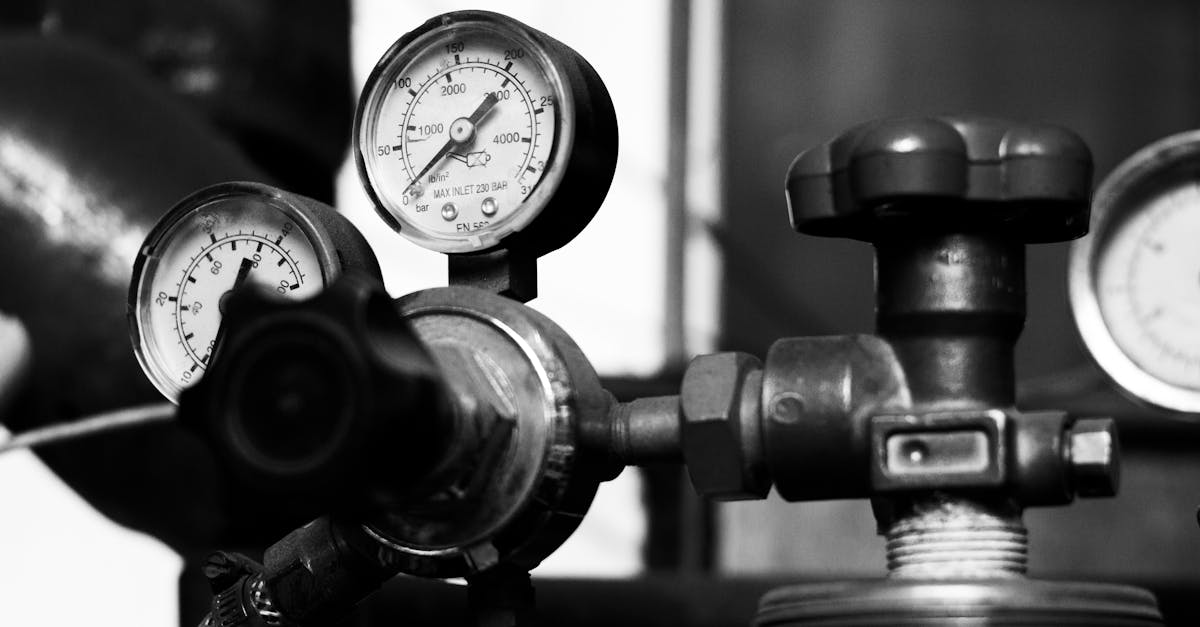
In the industrial sector, numerous case studies highlight the effectiveness of leak detection in preventing significant losses and enhancing safety. One particular manufacturing plant experienced a major issue with pipeline leaks that went undetected for several months. The implementation of advanced leak detection technologies resulted in the identification and resolution of vulnerabilities. This not only saved the company thousands of dollars in wasted resources but also improved its environmental compliance, showcasing how crucial timely leak detection can be.
Similarly, in the municipal water systems realm, a city faced escalating costs due to water loss from undetected leaks. By utilizing new leak detection techniques, officials pinpointed problematic areas of the aging infrastructure. This proactive approach extended beyond immediate savings, leading to more efficient water distribution and heightened public trust in utility management. For residents seeking solutions, searching for "leak detection and repair near me" has become a vital step in ensuring both safety and cost-effectiveness in their communities.
RealWorld Applications and Outcomes
Various industries have successfully implemented leak detection systems to enhance their operational efficiencies and minimize losses. For instance, in the water supply sector, smart sensors have detected leaks in real-time, allowing for prompt repairs. This proactive approach has not only reduced water loss but also lowered costs associated with extensive damage and emergency repairs. Businesses often search for "leak detection and repair near me" to find local services that can address these critical issues effectively.
In the oil and gas industry, advanced leak detection technologies such as fiber optic cables and acoustic sensors have proven to be invaluable. These tools allow companies to monitor pipelines and facilities continuously, identifying leaks quickly before they escalate into environmental hazards. By integrating these detection systems, companies not only comply with regulatory requirements but also enhance their safety protocols, ultimately leading to improved trust among stakeholders.
Cost Implications of Leak Detection
The cost implications of leak detection can vary significantly based on the technology used and the complexity of the system being monitored. Advanced methods such as infrared thermography and acoustic leak detection may require a higher upfront investment but can lead to substantial long-term savings by preventing extensive damage and reducing water waste. In many cases, companies can offset these initial costs through savings on utility bills and maintenance expenditures.
When considering leak detection options, businesses often seek a balance between accuracy and budget constraints. Locating reliable services, such as those offering "leak detection and repair near me," can provide an effective solution without excessive financial strain. Prioritizing preventive measures not only safeguards infrastructure but also enhances operational efficiency, ultimately demonstrating that investing in leak detection is a prudent decision for sustainability and cost management.
Balancing Accuracy with Budget Constraints
Navigating the intricate landscape of leak detection often requires striking a balance between accuracy and financial considerations. Businesses and homeowners face the challenge of ensuring accurate assessments without incurring prohibitive costs. Investing in advanced technology and skilled labor can improve detection rates significantly but also increases the overall budget. Several companies have adopted a phased approach, utilizing less expensive methods initially before committing to more sophisticated techniques, allowing for adjustments based on findings.
When seeking reliable solutions, individuals might search for “leak detection and repair near me” to find local services that offer competitive pricing while maintaining quality. These local providers often understand the unique requirements of their communities and can tailor their services accordingly. This localized approach can enhance cost-effectiveness while minimizing the risk of undetected leaks, ultimately contributing to better resource management within budgetary constraints.
Training and Certification for Leak Detection Professionals
Training and certification for leak detection professionals play a crucial role in ensuring high standards in the industry. Comprehensive training programs cover various methods and technologies used for detecting leaks in different environments. These programs often include hands-on training, allowing professionals to gain practical experience alongside theoretical knowledge. Certification not only validates expertise but also builds trust with clients seeking reliable services.
Professionals who have undergone rigorous training are better positioned to tackle the complexities of leak detection. Their skills enable them to accurately identify issues and propose effective solutions. As consumers search for “leak detection and repair near me,” the presence of certified professionals can significantly impact their decisions. Awareness of qualified personnel can enhance public confidence in leak detection services, leading to improved outcomes for both clients and professionals.
Importance of Skilled Personnel
Skilled personnel play a critical role in the effectiveness of leak detection systems. These professionals are trained to operate advanced technologies that identify and assess leaks accurately. Their expertise ensures that potential issues are recognized early, significantly reducing costs associated with extensive damage. The ability to interpret data from leak detection devices is essential for implementing timely repairs before problems escalate.
Training programs emphasize both theoretical knowledge and hands-on experience, equipping individuals to navigate the complexities of various environments. Seeking "leak detection and repair near me" can connect property owners with certified professionals who possess the necessary skills. Such expertise not only enhances detection accuracy but also fosters a culture of preventative maintenance within organizations and communities.
FAQS
What factors influence the accuracy of leak detection?
The accuracy of leak detection can be influenced by several factors, including the type of technology used, environmental conditions, the skill level of personnel, and the specific characteristics of the system being monitored.
How effective are modern leak detection technologies?
Modern leak detection technologies, such as acoustic sensors, infrared thermography, and pressure testing, have proven to be highly effective, often achieving accuracy rates above 90% when properly implemented.
Are there any limitations to leak detection methods?
Yes, some limitations include the potential for false positives or negatives, difficulties in accessing certain areas for testing, and the impact of external factors like temperature and pressure variations that can affect readings.
How can I ensure that my leak detection system is accurate?
To ensure accuracy, it’s important to choose the right technology for your specific needs, conduct regular maintenance and calibration of the equipment, and train personnel thoroughly in its use and interpretation of results.
What role does training play in the accuracy of leak detection?
Training is crucial because skilled personnel can effectively operate detection equipment, interpret data accurately, and make informed decisions based on their findings, leading to improved overall accuracy in leak detection efforts.