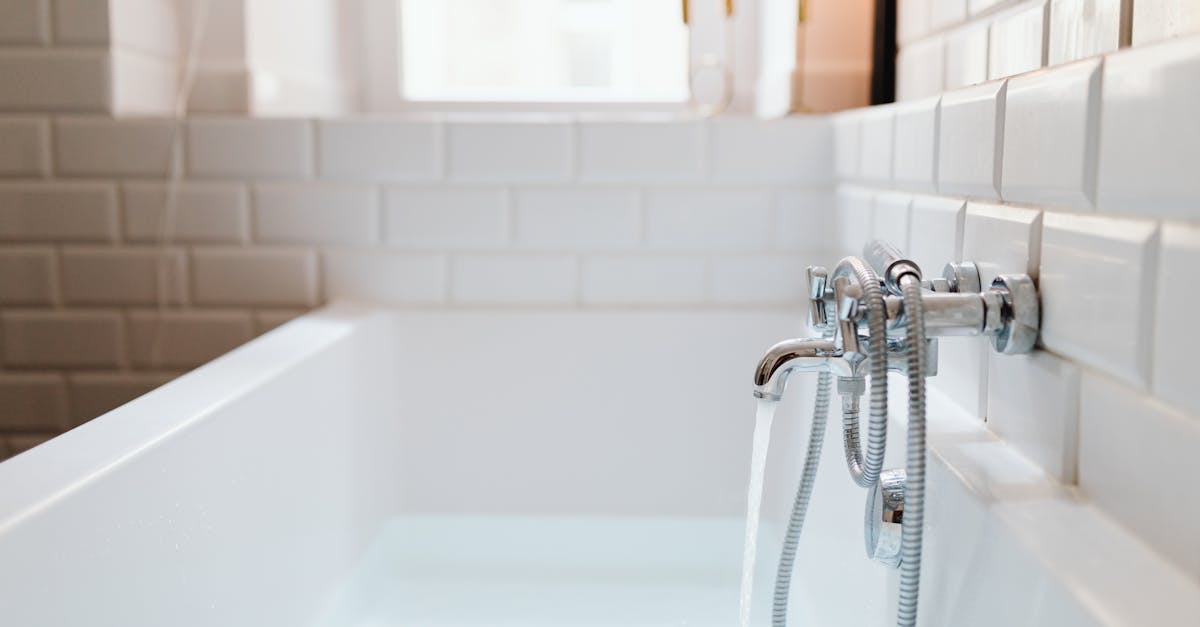
Sink installation and repair
At Gold Plumbing, we specialize in sink installation and repair, offering expert solutions for all your kitchen and bathroom needs. Our team of skilled plumbers is dedicated to providing high-quality service, ensuring that your sink functions perfectly and enhances the overall aesthetic of your space. Whether you’re looking to install a brand-new sink, replace an old one, or address common issues like leaks or clogs, we have the expertise to get the job done efficiently and effectively. With Gold Plumbing, you can trust that your sink installation and repair will be handled with precision and care, delivering lasting results that meet your satisfaction.
How to Unclog a Sink
Clogs can happen for various reasons, including accumulated hair, grease, and food particles. To start addressing the issue, inspect the drain for visible obstructions. If the blockage is not accessible, a plunger can be an effective tool. Ensure the plunger has a proper seal around the drain and apply steady pressure. For more stubborn clogs, a plumbing snake may be needed. This versatile tool can reach further down the pipes, allowing you to dislodge materials that a plunger may not handle.
Chemical drain cleaners are another option but should be used with caution as they can damage pipes over time. Homemade solutions, such as a mixture of baking soda and vinegar, can offer a safer alternative for clearing minor clogs. Pour half a cup of baking soda followed by half a cup of vinegar down the drain, covering the opening to enhance the reaction. After about 30 minutes, flush the drain with hot water. Regular maintenance and prompt attention to minor clogs can prevent significant blockages in the future.
Tools and Techniques for Effective Clearing
Clogs can occur in any sink, regardless of the type or location. To tackle minor blockages, a plunger is often the first tool to reach for. By creating a vacuum seal and applying force, plungers can effectively dislodge many types of obstructions. If that method fails, employing a drain snake can help reach deeper clogs. These flexible tools can navigate bends and twists in pipes, capturing hair, grease, or food debris that may be stuck.
Chemical drain cleaners are an option for more stubborn blockages, but their use should be approached cautiously. These substances can be harsh on plumbing and the environment. For those who prefer a natural approach, a mixture of baking soda and vinegar can break down clogs without damaging pipes. Pouring hot water can also assist in clearing away build-up and is especially effective with grease-related clogs. Regularly utilizing these techniques can prevent future sink problems, ensuring smooth drainage and functionality.
Replacement vs. Repair
Deciding between replacement and repair involves analyzing the specific issues with your sink. If the damage is minor, such as a small leak or clog, opting for a repair can often be more cost-effective and less invasive. Addressing issues like faulty seals or small cracks may restore functionality without the need for complete replacement. Additionally, if the sink is relatively new or part of a modern design, repairing can help preserve its aesthetic appeal.
However, in cases of extensive damage or persistent problems, replacement might be the more suitable long-term choice. Sinks that show signs of significant wear, such as deep scratches, rust, or persistent leaks despite repairs, may require a complete overhaul. Investing in a new sink can provide better durability, advanced features, and a fresh look for your kitchen or bathroom. Ultimately, careful evaluation of the sink's condition, age, and your budget will guide you in making the best decision.
Factors to Consider for Longterm Solutions
When deciding between repair and replacement for your sink, it's essential to evaluate the extent of the damage. Minor leaks or clogs can often be resolved with simple repairs, which are typically more cost-effective. On the other hand, if the sink has significant rust, cracks, or is outdated, replacement may be a more practical long-term solution. Assessing the materials and fixtures involved can also influence your decision, as certain materials may be more resistant to wear and tear than others.
Another important factor is how frequently you use the sink. High-traffic areas may necessitate more durable options, whereas less frequently used sinks can afford to be more delicate. Considering your budget will also play a crucial role in the decision-making process. While repairs might seem appealing initially, investing in a replacement could save you money in the long run if it prevents continued maintenance and unforeseen issues.
Sink Maintenance Tips
Regular inspections play a crucial role in sink maintenance. Checking for leaks or signs of wear can prevent more significant issues down the line. It's advisable to clean all removable components, such as drain stoppers and baskets, to ensure optimal functionality. A monthly deep clean, including the faucet and surrounding areas, can help avoid buildup that could lead to clogs.
Consider using mild, non-abrasive cleaners that won’t damage the finish of your sink. Additionally, avoid pouring grease, coffee grounds, and other food scraps down the drain as these can contribute to clogs over time. Installing a drain strainer can catch debris before it enters the plumbing system. Being proactive about sink care can extend its lifespan and maintain its appearance.
Keeping Your Sink in Top Condition
Regular maintenance significantly contributes to the longevity of your sink. Routine cleaning helps prevent the buildup of grime and debris, which can lead to clogs. Use mild cleaners and soft cloths to avoid scratching the surface. Additionally, checking for leaks or loose fittings can prevent more significant issues down the line. Addressing minor concerns early can save time and money on more extensive repairs.
Maintaining the faucet is equally important for overall sink health. Inspect the aerator and remove any mineral deposits to ensure optimal water flow. Applying plumber's grease to moving parts can enhance functionality and decrease wear. Periodic assessments of the drain can help identify potential problems before they develop into significant issues. Keeping an eye on these small details promotes a clean and efficient sink environment.
FAQS
How can I tell if my sink is clogged?
Signs of a clogged sink include slow drainage, gurgling sounds, unpleasant odors, and water backing up in the basin.
What tools do I need to unclog a sink effectively?
Common tools for unclogging a sink include a plunger, plumber's snake, bucket, drain rod, vinegar, baking soda, and a pipe wrench for minor repairs.
When should I consider replacing my sink instead of repairing it?
You should consider replacement if the sink has significant damage, is outdated, or if repairs are becoming too frequent or costly compared to a new installation.
What are some important sink maintenance tips?
Regular maintenance tips include cleaning the sink daily, avoiding pouring grease down the drain, using a strainer to catch debris, and periodically flushing the drain with hot water.
Can I unclog a sink on my own, or should I hire a professional?
You can attempt to unclog a sink on your own using basic tools and techniques. However, if the clog persists or if you are unsure, it’s advisable to hire a professional plumber.


