Signs You May Need Gas Line Tightening
If you notice an unusual increase in your gas bills, it may indicate a problem with your gas line. Even a small leak can lead to significant losses over time. Additionally, any unusual odors resembling rotten eggs should raise immediate concern, as this might be a sign of a gas leak requiring urgent attention. Prompt action is essential to ensure safety and prevent further complications.
Physical signs of a loose gas line can also be apparent. Look for any damage or corrosion around the joints of your gas appliances. Hissing sounds near your gas line can indicate escaping gas. If you experience these issues, contacting a professional is crucial. For reliable assistance, consider experts who specialize in gas line installation and repair in Ohio. Their knowledge can provide peace of mind and ensure that repairs are handled safely and effectively.
Common Indicators of a Loose Gas Line
A loose gas line can present several warning signs that homeowners should be vigilant about. One common indicator is the smell of gas around the property. Natural gas has a distinct sulfur-like odor, often compared to rotten eggs, which is added for safety. Another sign can be hissing or whistling sounds coming from the gas line itself, which could indicate that gas is escaping. Detecting these signs early is crucial for ensuring safety and preventing further issues related to gas leaks.
In addition to smell and sound, homeowners might notice that appliances powered by gas are not functioning optimally. This can manifest as inconsistent heating, difficulty igniting burners, or unusual pilot light behavior. Any of these symptoms should prompt immediate attention. If you suspect issues with your gas line, consider reaching out for professional assistance. Services focusing on gas line installation and repair in University Heights, Ohio, can provide the expertise needed to address these concerns effectively.
Safety Precautions When Tightening Gas Lines
Safety is paramount when working with gas lines. Before beginning any tightening procedures, it is crucial to turn off the gas supply to prevent leaks or explosions. Ensure the work area is well-ventilated. Removing any flammable materials nearby is essential to reduce fire hazards. Familiarize yourself with the layout of the gas lines in your home to identify any potential weak points.
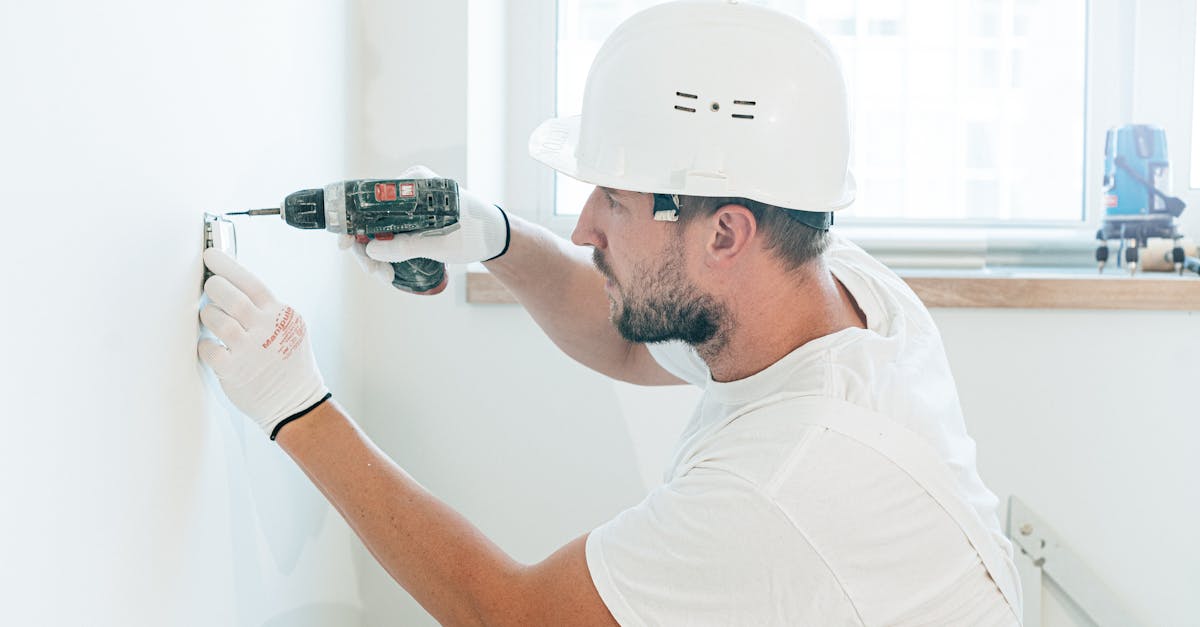
Additionally, wearing appropriate safety gear can help protect against accidents. This includes goggles to shield the eyes from debris, gloves for hand protection, and a mask if there is a risk of dust inhalation. If the situation seems beyond your skill level, it’s wise to contact a professional for assistance. For residents in this area seeking expertise, searching for services such as gas line installation and repair University Heights, Ohio, can provide access to qualified technicians who ensure safe and effective solutions.
Essential Safety Gear and Practices
When working with gas lines, safety is paramount. Always wear protective gloves and goggles to shield your eyes and hands from potential hazards. A properly restricted work area helps prevent unauthorized access and reduces the risk of accidents. Ensure adequate ventilation in the workspace, especially in enclosed areas. It's also crucial to have a fire extinguisher nearby in case of an emergency. Gas line installation and repair Ohio requires careful attention to these aspects to ensure both your safety and the safety of those around you.
Before starting any gas line work, familiarize yourself with the tools and equipment required for the job. A gas leak detector is an essential device that helps identify any gas leaks, ensuring a secure working environment. Additionally, it is advisable to have a first aid kit on hand to address any minor injuries quickly. Following these safety practices not only protects you but also ensures compliance with industry standards during gas line installation and repair Ohio.
Finding a Qualified Technician
When seeking a qualified technician for gas line tightening, prioritize experience and certifications. Look for professionals who specialize in gas line installation and repair University Heights, Ohio. These experts should possess the proper training and knowledge to handle potential hazards associated with gas lines. Reading reviews and testimonials can help gauge their reliability and expertise, ensuring you choose someone who meets safety standards.
It's equally important to check licenses and insurance before hiring a technician. A licensed professional signifies adherence to local codes and regulations, providing peace of mind during the service. Insurance protects both parties in case of accidents or damages. Gathering multiple quotes allows for comparison while considering the technician's qualifications and customer feedback. Making a well-informed decision will help ensure the safety and efficacy of your gas line tightening needs.
What to Look for in a Professional
When searching for a qualified technician for gas line work, it’s essential to evaluate their experience and credentials. Look for professionals who have a valid license and relevant certifications. This ensures they have received proper training and understand the specific safety standards associated with gas line installation and repair in University Heights, Ohio. Online reviews and recommendations can also provide insight into the technician's reputation and reliability.
Additionally, consider the technician’s approach to safety and customer service. A good professional will not only prioritize secure practices but will also communicate clearly about the process and any potential concerns that may arise during the work. Asking for estimates and timelines upfront can help prevent misunderstandings later. Ensuring the technician has insurance coverage is also crucial to protect against any liabilities that may occur during the gas line installation and repair.
FAQS
What is the average cost to tighten a gas line?
The average cost to tighten a gas line typically ranges from $100 to $300, depending on the complexity of the job and local labor rates.
Are there additional fees associated with tightening a gas line?
Yes, additional fees may include service call charges, materials needed for the job, and any required permits or inspections.
How long does it take to tighten a gas line?
Tightening a gas line usually takes about 1 to 3 hours, depending on the condition of the line and access to the area that needs work.
Can I tighten a gas line myself?
It is not recommended to tighten a gas line yourself unless you are a qualified technician, as improper handling can lead to safety hazards.
How can I find a qualified technician to tighten my gas line?
You can find a qualified technician by checking local plumbing or gas service companies, reading reviews online, and ensuring they are licensed and insured.