Average Lifespan of Different Models
The average lifespan of water heaters varies significantly based on the type of model and the technology used. Traditional tank-style water heaters typically last between 10 to 15 years, depending on maintenance practices and water quality. In contrast, tankless water heaters, which heat water on demand, often have a longer lifespan, ranging from 15 to 20 years. This extended durability can make them a more cost-effective option in the long run, especially for homeowners who plan to stay in their residence for many years.
Factors such as material quality, usage patterns, and maintenance routines also play crucial roles in determining the longevity of water heaters. For example, frequent maintenance checks can help identify and mitigate issues before they lead to significant problems. In Ohio, where water quality can vary, investing in professional Ohio water heater installation and repair services can ensure that the unit operates optimally throughout its lifespan. By addressing installation quality and ongoing care, homeowners can maximize the efficiency and lifespan of their water heating systems.
Comparing Traditional vs. Tankless
Traditional water heaters generally have a lifespan of around 10 to 15 years, depending on maintenance and usage. These units store hot water in a tank, often leading to wear and tear over time due to the constant heating and cooling cycle. They tend to be more affordable upfront, but homeowners should consider the long-term operational costs, which may be higher. Regular maintenance can extend their lifespan significantly, making it essential to schedule upkeep.
Tankless water heaters, on the other hand, often last longer, around 15 to 20 years or more. These units heat water on demand instead of storing it, which reduces energy consumption and minimizes wear. Ohio water heater installation and repair professionals often recommend tankless models for their efficiency. The initial cost may be higher, but the energy savings and longer lifespan can make it a more economical choice over time. Regular maintenance is essential for both types to ensure they operate efficiently.
Energy Efficiency and Its Impact
Energy efficiency plays a significant role in the lifespan of water heaters. Efficient models tend to use less energy, which not only reduces utility bills but also minimizes wear and tear on the unit. When a water heater operates efficiently, it experiences less thermal cycling, leading to slower sediment buildup and decreased stress on components. This can help extend the overall life of the system.
In regions like Ohio, investing in energy-efficient water heaters can be particularly beneficial. Ohio water heater installation and repair services often emphasize the importance of selecting models with high energy ratings. These choices not only promote sustainability but also encourage longer-term savings through reduced maintenance and operational costs.
How Efficient Models Last Longer
Efficient water heater models often have advanced technology that contributes to their extended lifespan. These systems are designed to optimize energy use, which reduces wear and tear. Features such as better insulation and innovative heating elements help minimize operational stress. Such advantages ensure that efficient models operate smoothly over time.
In Ohio, water heater installation and repair practices can directly affect efficiency. Proper installation ensures that all components function correctly, reducing the risk of problems that could lead to premature failure. Regular maintenance also enhances efficiency, helping these units last longer. Investing in efficient models and ensuring expert installation provides long-term benefits for homeowners.
Installation and Its Role in Longevity
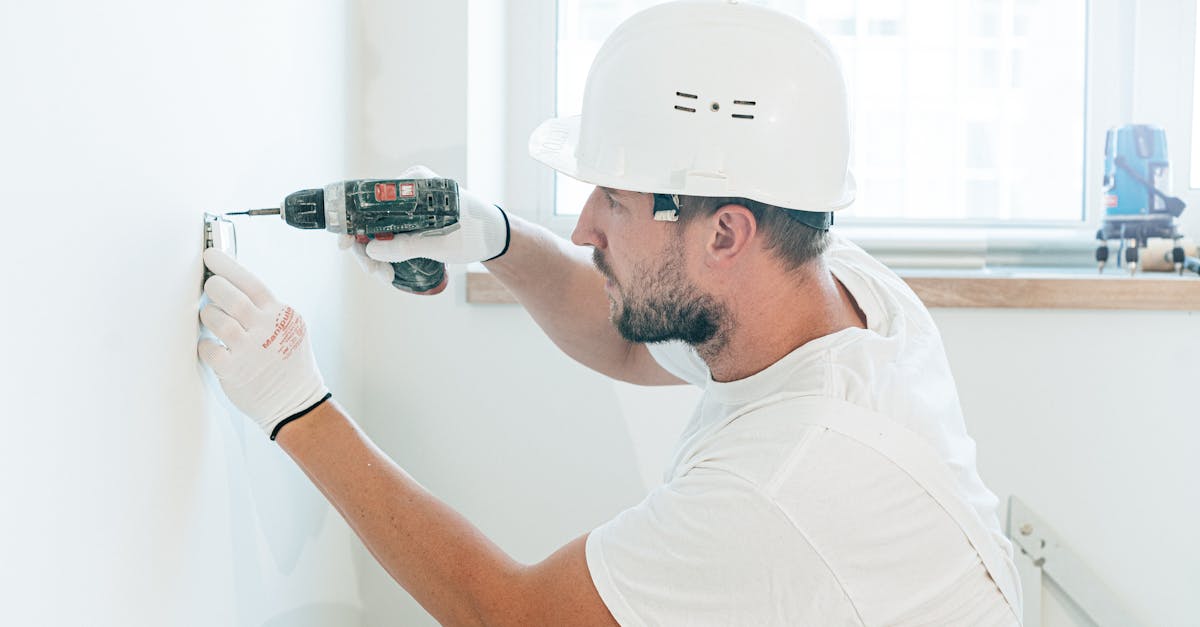
Proper installation plays a critical role in extending the life of a water heater. When a water heater is installed correctly, it minimizes issues such as leaks, thermal expansion, and poor ventilation. Each of these factors can lead to premature wear and tear on the unit. Homeowners who choose professional services, such as Ohio Water heater installation and repair, can benefit from the experience and knowledge of trained technicians. This can ensure that all local codes and best practices are followed during installation.
Inadequate installation can result in significant operational problems down the line. For instance, placing a heater in a confined space may restrict airflow, leading to overheating and operational inefficiencies. Similarly, incorrect plumbing connections can create stress on the system. By investing in thorough and compliant installation practices, homeowners can enhance not only the operational efficiency of their water heater but also its overall lifespan. A focus on proper installation helps avoid costly repairs and premature replacements in the future.
Best Practices for Proper Installation
Proper installation is critical for maximizing the lifespan of a water heater. It is essential to follow the manufacturer’s guidelines and local building codes to ensure safety and efficiency. Choosing the right location for the water heater is equally important; it should be placed in a dry, well-ventilated area away from any potential hazards. Ensuring that the unit is level helps prevent issues with performance and reduces strain on the components.
Engaging with professional services, such as Ohio Water heater installation and repair, can significantly enhance the installation process. Professionals have the expertise to identify the best practices for plumbing connections and electrical systems. They can also help with proper venting and drainage, which are vital for preventing leaks and ensuring effective performance. Maintaining these standards during installation can lead to a longer, more efficient operation of the water heater.
FAQS
What is the average lifespan of a traditional water heater?
The average lifespan of a traditional water heater is typically around 8 to 12 years, depending on maintenance and usage.
How long can a tankless water heater last?
A tankless water heater can last anywhere from 15 to 20 years, often outlasting traditional models due to their design and efficiency.
Does energy efficiency affect the lifespan of a water heater?
Yes, more energy-efficient water heaters tend to last longer because they operate with less stress and are designed with higher-quality components.
What role does installation play in a water heater's longevity?
Proper installation is crucial for the longevity of a water heater, as incorrect installation can lead to issues like leaks or overheating, shortening its lifespan.
What are some best practices for ensuring my water heater lasts as long as possible?
Regular maintenance, including flushing the tank, checking the anode rod, and ensuring proper installation, can help extend the lifespan of your water heater.